
By Patti Otte
In 1996, Sandy Palisch made Richardson her home, building a life centered on family, creativity, and community. Originally from Chicago, she and her husband, Terry, have been married for 37 years and raised three sons—Zachary, an Air Force pilot; Austin, an engineer and father to their granddaughter Addison; and Jacob, a professional baseball player in the Chicago White Sox organization.
From Aerospace Engineering to Entrepreneurship
Palisch’s professional path began in aerospace engineering, designing fighter jets for McDonnell Douglas. After relocating to Texas and stepping away from her career to raise her children, she eventually found a new outlet for her scientific curiosity in an unexpected place: organic soap-making.
What started as a personal interest grew into Simply Organic Soap, a Richardson-based company she officially launched in 2016. Today, it has expanded into a full production facility with a team of employees and a growing product line.
A Vision for the Richardson Arts Community
While her entrepreneurial journey is impressive, Palisch’s most lasting impact on Richardson can be seen in her dedication to the arts. For nine years, she served as chair of the Cultural Arts Commission, helping guide the city’s vision for a more vibrant, accessible, and inclusive arts community.
During her tenure, Palisch played a key role in shaping the Cultural Arts Master Plan, a strategic effort to expand artistic opportunities throughout Richardson.
Expanding Public Art
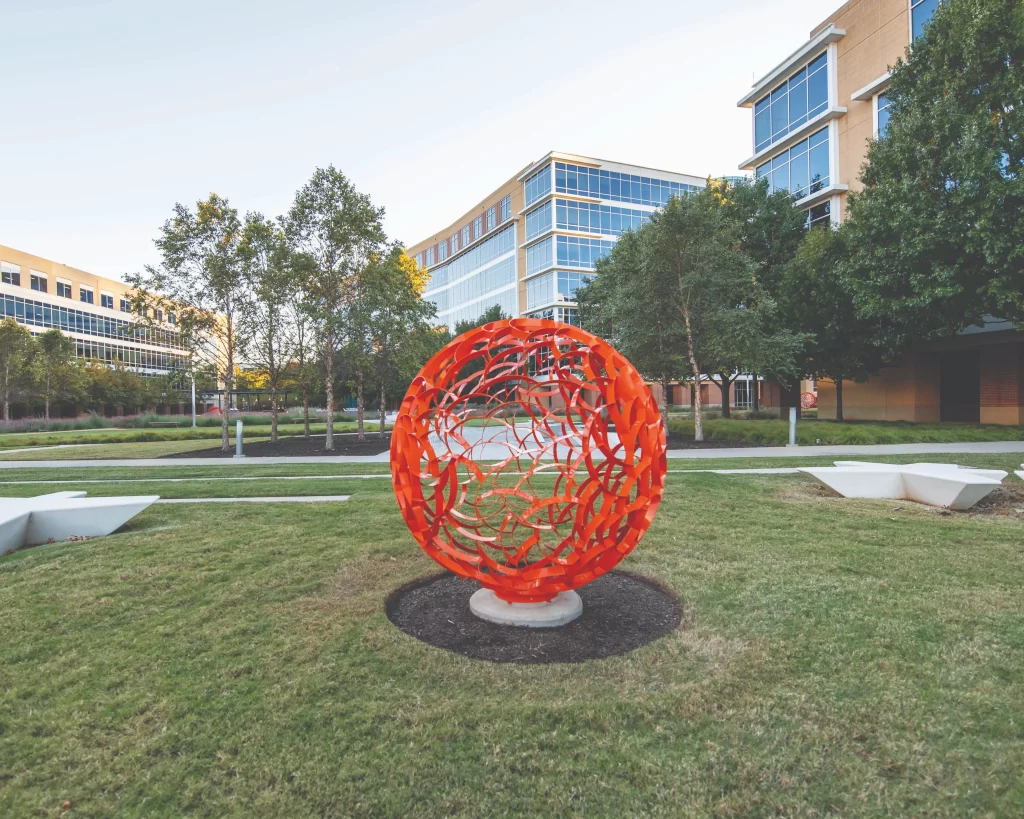
A major focus has been increasing access to visual arts and integrating creativity into public spaces. Through the Public Art Master Plan, she helped support initiatives that ensure new public buildings include significant art installations—bringing art directly into the everyday lives of residents.
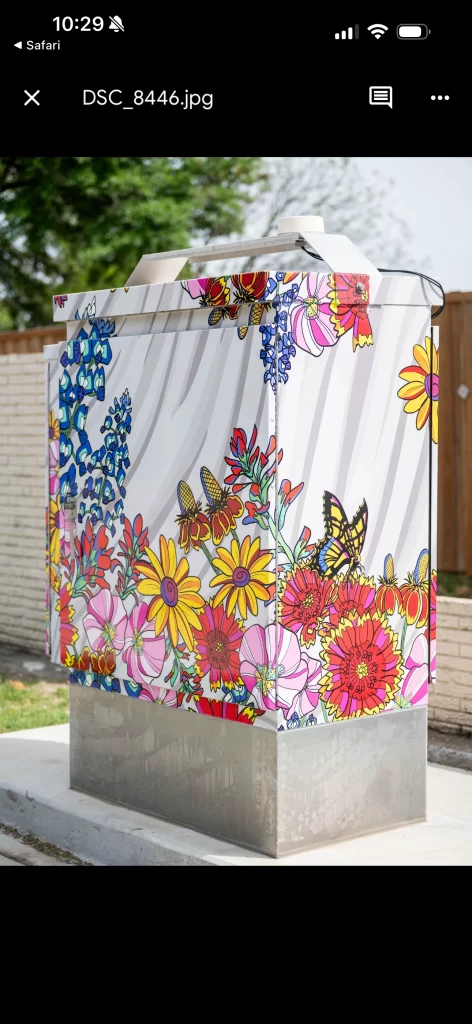
One of the most visible examples of this philosophy is the traffic signal box art program. Developed during her time on the commission, the project invites local and amateur artists to transform ordinary utility boxes into colorful works of art. The result is a citywide gallery that reflects the creativity and diversity of the community.
Interactive Installations and City Enhancements
Palisch also contributed to plans for new public art installations tied to the City Hall renovation, including an immersive, gazebo-style structure designed to be experienced from within. Projects like these highlight Richardson’s commitment to interactive and engaging art, rather than simply decorative pieces.
Supporting “Hidden Gems” and Cultural Diversity
Beyond public art, the Cultural Arts Commission plays a critical role in supporting local organizations through grant funding. Each year, dozens of groups—including theater companies, musical organizations, and literary programs—apply for support.
Palisch has been a strong advocate for ensuring these “hidden gems” continue to thrive, recognizing their importance in building a well-rounded cultural ecosystem. She has also supported efforts to identify more affordable venues for smaller nonprofits, complementing established spaces like the Charles W. Eisemann Center for Performing Arts.
Celebrating Multicultural Identity
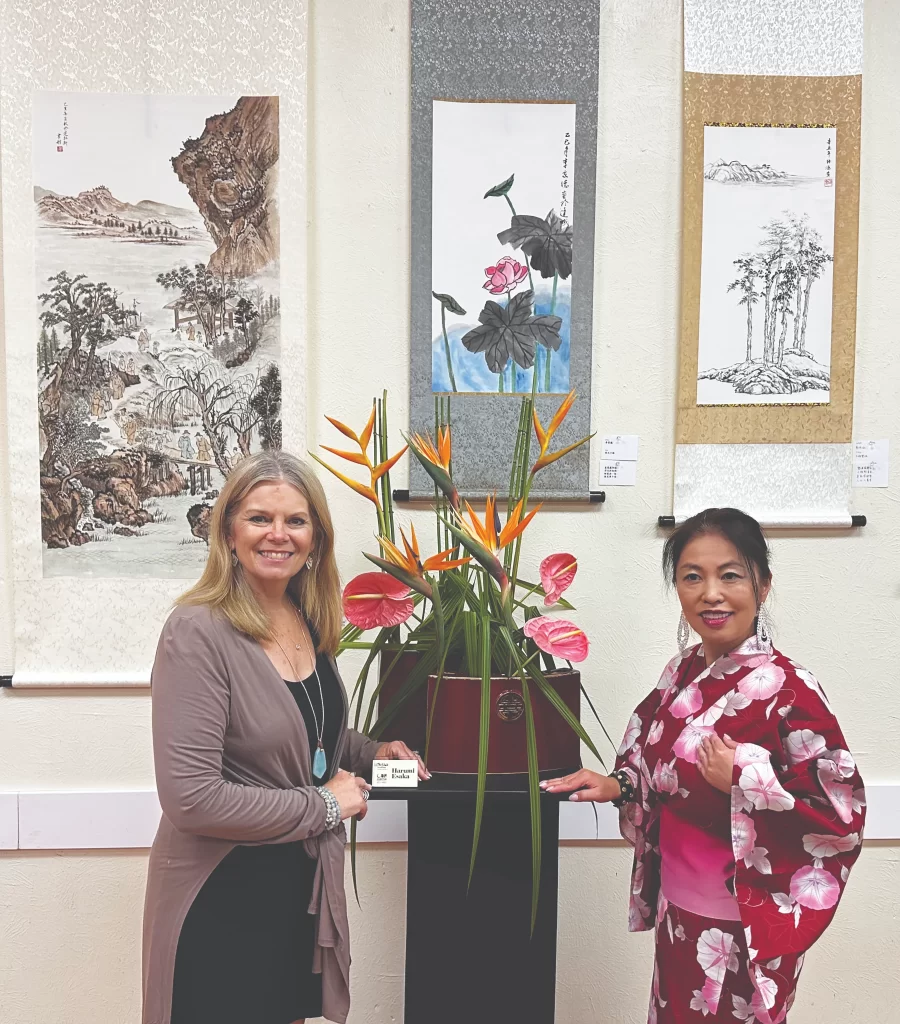
Palisch is especially passionate about celebrating the diversity of Richardson’s arts scene. She points to Chinatown as an emerging cultural hub and highlights the contributions of organizations like the Dallas Chinese Community Center. Expanding awareness of multicultural programming, she believes, is key to strengthening the city’s identity as an arts and culture destination.
A Life Immersed in the Arts
Her involvement in the arts is not limited to leadership roles. A musician herself, Palisch plays both the clarinet and saxophone and enjoys attending local events such as the Cottonwood Art Festival and the Wildflower! Arts and Music Festival. She is particularly fond of smaller, pop-up events that bring performances and creative experiences directly into neighborhoods.
Having recently completed her term as chair, Palisch is now looking ahead to new opportunities while continuing to support the arts she helped cultivate. As Richardson continues to grow, her influence can be seen in the city’s expanding commitment to creativity, accessibility, and community engagement.
Whether through public art, grant programs, or cultural planning, Palisch has helped shape a vision of Richardson where the arts are not just an amenity, but an essential part of everyday life.