
By Deborah Dobbs, MA
Executive Director at The Counseling Place
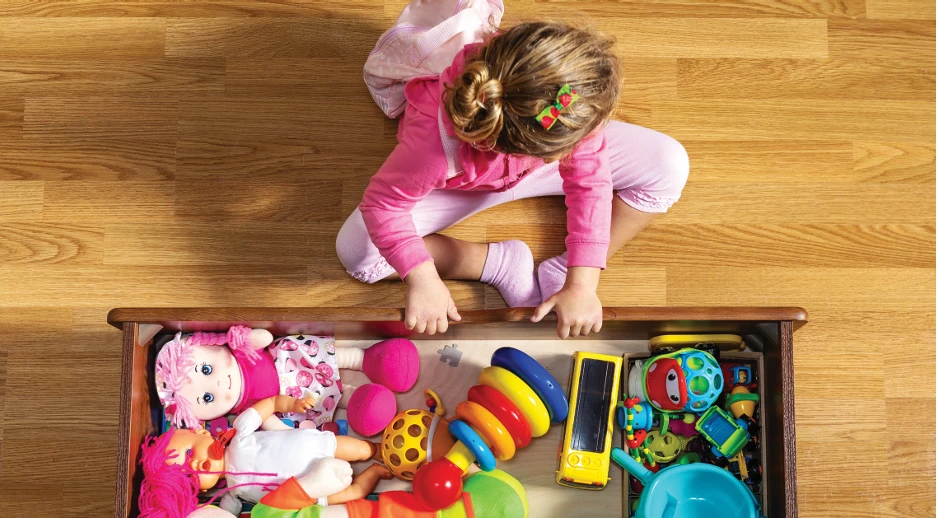
When I was a young girl, I had a ridiculous number of stuffed animals.
At some point, my mom told me it was time to lighten the load. Instantly, little fuzzy things I hadn’t noticed in months meant the world to me. These things had no story. They weren’t attached to any special occasions. Nevertheless, the thought of letting them go brought me sadness.
Attachment to Material Things Causes Suffering
There’s a term for what I experienced: Loss Aversion.
It’s the emotional pain of losing or giving up something. The pain of letting it go is actually higher than the pleasure experienced when acquiring the item.
Our possessions can represent security, possibility, identity, or a connection to the past.
Sometimes we aren’t really attached to the object. We’re attached to what it represents.
That Fleetwood Mac CD takes you back to your first kiss.
The bike you no longer ride represents freedom.
The value we assign our worldly goods is a bit of a trap, though. The subsequent attachment to things can cause a lot of suffering.
Addressing Loss Aversion Head-On
It’s not necessarily sentimental value that makes it difficult.
People hold on to takeout menus from restaurants that closed decades ago and greeting cards from people they barely knew.
That’s when a house can feel less like a home and more like a storage facility for the life you’ve lived.
The volume of “stuff” you slowly accumulate year after year, decade after decade, can go unnoticed until you run out of space, or you find yourself wondering when and how the junk drawer took over the spare bedroom.
If you’re embracing or acquiescing to the idea of downsizing, the sheer magnitude of stuff can easily overwhelm you.
How to Begin Letting Go
Don’t Wait.
Ideally, start letting go of things before you’re facing a move or a major life transition.
Start Small.
Focus on one small space at a time, like a shelf in the guestroom closet.
Conquer small spaces before tackling the attic or garage.
Approach Things with Curiosity.
Find something you haven’t used in years and, if you’re hesitant to let it go, don’t immediately force yourself to throw it away.
Ask yourself questions.
- Is it sentimental?
- Do you think you might need it someday?
- Does throwing it away feel wasteful?
Understanding the attachment is often the first step toward releasing it.
Give Yourself Permission to Let Go of the Ordinary.
A receipt from your favorite restaurant might remind you of a wonderful evening, but it isn’t the memory.
A stack of outdated menus isn’t a family heirloom.
And you don’t have to preserve every greeting card you’ve ever received to prove that you were loved (or that you loved the person who gave it to you).
Your memories aren’t stored in your possessions. They’re stored in you.
Stop Buying Stuff.
Do you really need another hammer or garden gnome?
Are you sure you don’t already have what you’re tempted to buy?
And perhaps most importantly, before you bring another item into your house, consider who will eventually have to deal with it.
That’s likely your children.
Your kids probably don’t want your nutcracker collection.
Don’t Leave the Job for Your Children
Some parents believe that because they raised their kids, they can deal with all the parents’ stuff.
That’s a pretty hefty repayment plan for being a parent.
Your adult children may already be helping you move, preparing your house for sale, or taking on other responsibilities while managing their own.
A moving company will pack and transport your belongings, but they’re not going to decide what to do with 60 years of paperwork, drawers full of miscellaneous objects, or collections nobody else wants.
Your children will probably handle it because they love you, but the task is nonetheless burdensome.
It eats up time and distracts from the relationship you want to have with them.
It can also cause palpable resentment.
You Aren’t Your Possessions
Letting go isn’t about erasing your history.
It’s about deciding what deserves to come with you into the next chapter, and by letting go now, you’re respecting and protecting the relationships you have with your loved ones.