A Place of Hope for Children with Developmental Delays and Disabilities and Their Families
[author] [author_image timthumb=’on’][/author_image] [author_info]By Patti Otte[/author_info] [/author]
When a child shows signs of a developmental delay or disability, families often find themselves facing a flood of questions, emotions and unfamiliar systems. For more than five decades, The Warren Center has been helping families navigate that journey with compassion, expertise and hope.
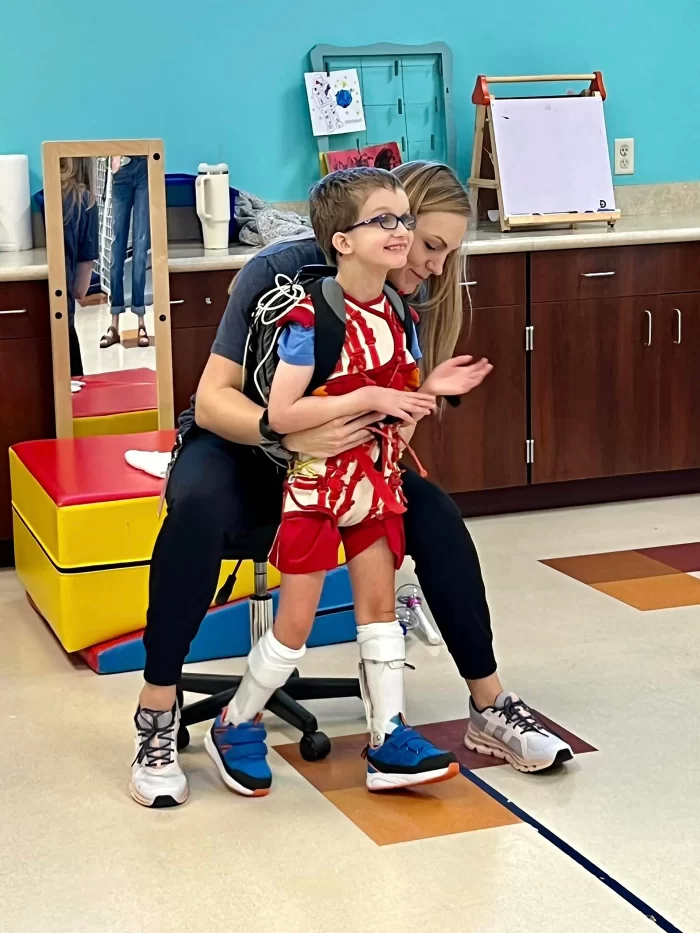
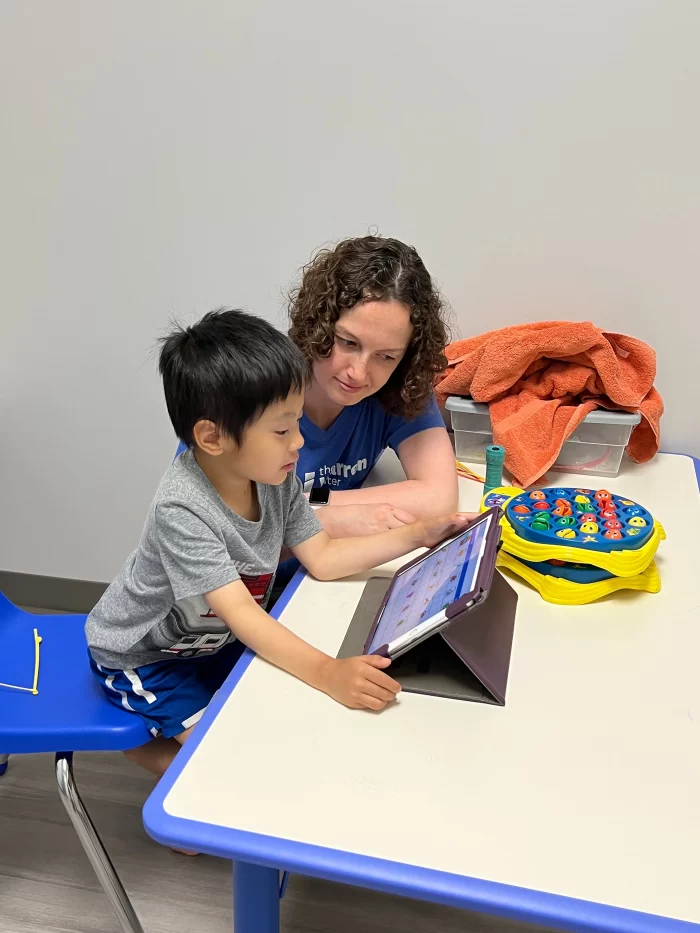
At its core, The Warren Center’s purpose is simple yet powerful: to advocate for, serve and empower children with developmental delays and disabilities and their families. CEO Amy Spawn states, “In practice, that means meeting families early and walking alongside them with therapy services, education and support. From speech, occupational, and physical therapy to autism evaluations and family education programs, our work helps children build essential skills while helping parents feel confident, informed and supported throughout their journey.”
Redefining Wellness for the Whole Family
Spawn and her team recognize the interconnected needs of children and their caregivers and the importance of joy in everyday life. Says Spawn, “We see wellness as whole-family wellness. For children, it includes communication, mobility, emotional regulation, and social connection.”
But children are only part of the picture. “For parents and caregivers, wellness means feeling empowered rather than overwhelmed and having the tools, resources, and reassurance that they’re not alone.”
Why Early Intervention Matters
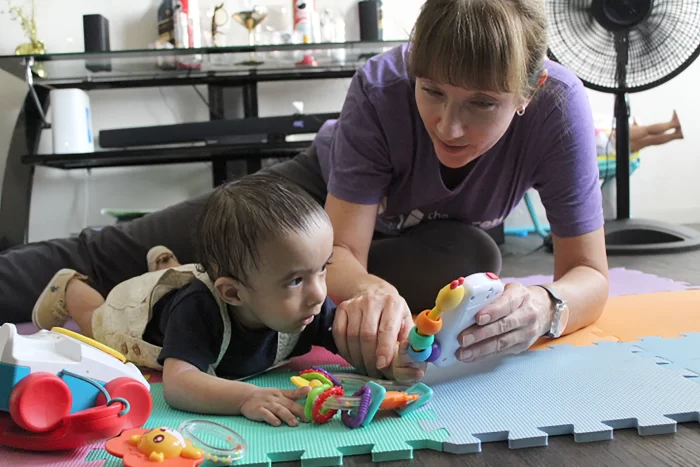
One of the most important aspects of The Warren Center’s work is early intervention. Spawn explains, “The early years are a critical window for brain development. Early intervention helps children build foundational skills when their brains are most adaptable, often reducing the need for more intensive services later in life.”
Equally important is what early intervention does for parents. “Just as importantly, it gives families clarity, direction and hope early on,” Spawn says. “It helps them develop confidence and resilience that benefits the entire family for years to come.”
Bridging Gaps in an Often-Overwhelming System
Unfortunately, these families frequently encounter obstacles to care such as long waitlists, confusing systems, financial barriers, and emotional stress. Spawn notes, “Many parents feel isolated or unsure of what steps to take next.”
To address those challenges, Spawn and her team provide:
-
Coordinated Therapy Services: Integrated speech, occupational, and physical therapy.
-
Family Education: Empowering parents with knowledge and tools.
-
Resource Guidance: Navigation through additional community supports.
And no single organization can meet every need, which is why partnership plays a central role in The Warren Center’s approach. “We partner closely with pediatricians to coordinate medical care, school districts to ensure a smooth transition when the child turns 3, and community providers to ensure continuity of care,” states Spawn.
Looking to the Future
As awareness of developmental health grows, so does the demand for services. The Warren Center is preparing to meet that need. “Looking ahead, we aim to expand access to services, strengthen family support programming, and continue evolving our clinic-based therapies to meet growing community needs,” Spawn shares. The Center is also deepening outreach and education so families recognize developmental concerns earlier and know where to turn for help.
Measuring Success Beyond Numbers
Spawn believes that the most meaningful measures of success are often deeply personal: “These are the parents who confidently advocate for their children, the children who effectively communicate their needs, and the families who achieve greater calm and satisfaction at home.” These everyday victories—small on the surface, life-changing in reality—are what drive the organization’s work.
How the Community Can Help
Support from the community is essential to The Warren Center’s success. “Readers can support The Warren Center in many ways: by volunteering, spreading awareness, making a donation, or connecting families who may need services,” Spawn says. “Professionals can partner with us, and parents can reach out with questions or concerns.”
Every action, no matter how small it may seem, makes a difference. Through compassionate care, early intervention, and strong community partnerships, The Warren Center continues to fulfill its mission—helping children thrive, empowering families, and building a healthier, more connected North Texas, one family at a time.
For more information about The Warren Center, visit thewarrencenter.org.