
Boys & Girls Club of Richardson: A Safe Home Away from Home for Local Youth

Empowering Futures: The Mission of the Boys & Girls Clubs of Greater Dallas (BGCD) By Patti Otte For more than 60 years, the Boys & Girls Clubs of Greater Dallas (BGCD) has provided safe, inspiring spaces where young people ages 6 to 18 can learn, grow, and thrive. What began as a single club in West Dallas has expanded into a network serving over 3,600 youth across the Dallas Metroplex. BGCD’s programs are built upon three core pillars—Academic Success, Good Character & Citizenship, and Healthy Lifestyles—all designed to guide students toward successful, confident, and well-rounded futures. BGCD consistently delivers high-quality programs while remaining true to its mission: to inspire and enable all young people to realize their full potential. Richardson’s Growing Hub for Kids and Teens The Richardson Boys & Girls Club, located inside St. Barnabas Church at 1220 W. Belt Line Road, reflects BGCD’s commitment to meet the unique needs of its community. Nestled beside Richardson High School and West Junior High, the club serves a diverse mix of members from nearby apartment communities and within both Richardson ISD and Dallas city limits. Since moving to its current home in 2021, the Richardson site has experienced remarkable growth. Expanded Capacity: The club now serves up to 150 children and teens, a significant increase from its previous limit of 45 members. Accessibility: BGCD offers transportation via club vans to ensure all members have easy access to the facilities. New Leadership: Club Manager Frank Hallum, a BGCD veteran, brings strong leadership and enthusiasm, overseeing staff, curriculum, and facilities. After recent cosmetic renovations designed to attract teens, the club will host a re-grand opening on November 4, inviting the public to see its bright new spaces and expanded opportunities. Programs now include: eSports and STEM labs College prep initiatives Engaging activities for every grade level, from first grade through high school. The site also benefits from the guidance of an active volunteer advisory council led by board chair and former Richardson Police Assistant Police Chief Coby Pewitt, who advocates for funding and program enrichment. Community Traditions and Fundraising Success Community engagement is central to the success of the Richardson Boys & Girls Club. Two major fundraisers help fund scholarships and youth programs: The long-running Bob Nelson Annual Golf Tournament Classic (held each April). The beloved Richardson Gobble Hobble 5K & Family Fun Run (coming up this November). Celebrating its 20th anniversary in 2025, the Gobble Hobble has become a cherished holiday tradition, bringing families together the Saturday before Thanksgiving. The club’s vibrant culture is evident in success stories, such as that of Darian Chavis, a 2017 Richardson alumnus and Youth of the Year, who credited the club as a “home away from home” and leveraged his experience there into a job offer from State Farm—a powerful testament to the opportunities and mentorship the club fosters. How to Support and Get Involved Despite its successes, the Richardson club’s biggest challenge is visibility. It’s time for this hidden gem to step into the community spotlight. Expanded outreach will help more students benefit from academic support, mentoring, and enrichment programs. With additional financial sponsors, the club can: Expand transportation routes. Upgrade equipment. Continue enhancing its learning spaces. Volunteers are also essential—whether mentoring students, helping with reading programs, or simply showing up at special events, every hand helps. To learn more about the Boys & Girls Club of Greater Dallas in Richardson, visit their website at Home – Boys & Girls Clubs of Greater Dallas, call 972-699-0514, or visit their Richardson location during the re-grand opening on November 4 at 5:30 pm.
Building Stronger Neighborhoods: The Vital Role of Neighborhood Associations in Richardson, TX

Why Richardson HOAs and Neighborhood Groups Are Essential for Community Life A neighborhood is more than just streets and houses—it’s a community where families put down roots, friendships are formed, and a strong sense of belonging grows. In Richardson, Texas, neighborhood associations play a vital, active role in preserving this quality of life and ensuring communities remain vibrant places to live. Information provided by the City of Richardson. Defining Your Neighborhood Association While many groups in Richardson refer to themselves as HOAs (Homeowners Associations), it’s important to understand the key distinction between a voluntary Neighborhood Association and a formal legal entity: Feature Neighborhood Association (NA) Homeowners Association (HOA) Membership Open to all residents (homeowners, renters, businesses, etc.); Optional Open to property owners within specific boundaries; Mandatory Dues Voluntary Mandatory and legally enforceable Authority No legal power to enforce maintenance or design standards Formal legal entity to enforce private deed restrictions and covenants Richardson’s Neighborhood Associations (NA model) are voluntary groups of residents and stakeholders who work together to maintain and improve the quality of life in their neighborhood. More than 75 associations exist to serve Richardson residents. Associations must typically have bylaws that require at least one annual general membership meeting and annual election of officers. Association position statements are reached through consensus. Unparalleled Engagement with the City of Richardson According to Lindsay Turman, City of Richardson Director of Community Services, Richardson’s neighborhood associations have an unparalleled level of engagement with the City. Monthly Collaboration: HOA presidents meet monthly to share updates and collaborate on community priorities. Neighborhood Workshops: The City hosts these workshops twice a year to provide education and resources directly to residents. This open, ongoing dialogue is unique; homeowners in Richardson actively seek opportunities to connect with City staff and leaders, making the municipality a model for strong civic partnership. Key Benefits of Active Neighborhood Involvement From annual celebrations like to seasonal gatherings, the enthusiasm of Richardson’s residents strengthens community life. Several core benefits arise from active involvement: Preserving Property Values: By maintaining shared spaces, enforcing neighborhood standards, and organizing beautification projects, NAs and HOAs help keep communities visually appealing and attractive to both current and future residents. Enhancing Community Connections: Associations serve as a social backbone, creating opportunities through block parties, holiday celebrations, and safety initiatives. These events build trust and belonging. Advocacy and Representation: An association acts as a unified voice for homeowners, ensuring that residents’ interests are represented and heard when addressing issues like traffic, infrastructure improvements, or neighborhood revitalization projects with the City of Richardson. Shared Amenities and Services: Many formal HOAs provide access to shared resources such as pools, parks, and community centers. Even for NAs, the collective maintenance of common areas adds significant value. A Collective Investment in the Future Ultimately, HOAs in Richardson are more than organizations; they are partnerships between neighbors and the City. By joining and participating, homeowners contribute not only to the care of their property but to the health and vitality of their entire community. This ensures that Richardson continues to be a city where neighborhoods thrive and everyone feels at home. How to Get Involved in Your Neighborhood Association Joining your HOA or Neighborhood Association is only the first step—participation is where the real impact is made. Here are a few practical ways homeowners in Richardson can get involved and support their community: Attend Meetings: HOA meetings are where important decisions are made. Regular attendance keeps you informed and gives you a voice in shaping your neighborhood’s future. Volunteer for Committees: Whether it’s organizing social events, overseeing landscaping, or working on safety initiatives, committees offer a chance to contribute your skills and interests. Run for a Board Position: Serving on the board gives you direct input into budgets, policies, and community priorities. Support Neighborhood Events: Simply showing up—whether it’s a holiday gathering, clean-up day, or community garage sale—helps strengthen the sense of togetherness. Spread the Word: Encourage neighbors to participate, share information, and help foster a culture of involvement. To find your local Neighborhood Association or for more City resources, please visit the official City of Richardson website at Richardson, TX | City of Richardson Home
Shaping the Future: Everything You Need to Know About the RISD Bond 2025 on the Ballot
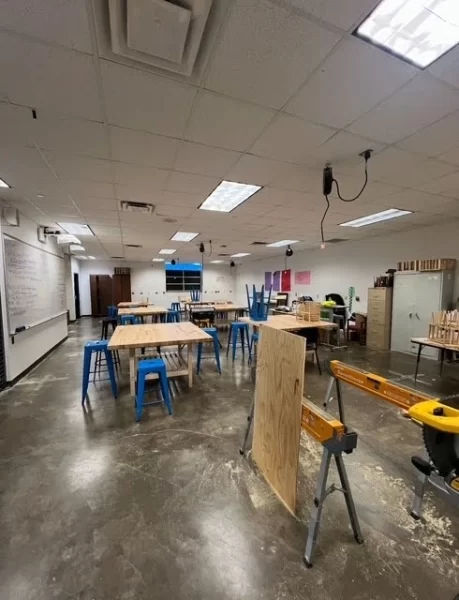
A Comprehensive Guide to the Richardson ISD Bond Referendum (November 4, 2025) The Richardson Independent School District (RISD) Board of Trustees voted during the August 7, 2025, board meeting to place three separate bond propositions before voters in the upcoming November 4 election. This RISD Bond 2025 package, totaling $1.4 billion, is designed to address prioritized needs across facilities, safety, technology, and student instructional programs. What is a School Bond? Texas independent school districts issue bonds to pay for major capital expenditures, such as new construction, renovations, and large equipment purchases. How it Works: School district bonds are similar to a home mortgage. The district borrows money from investors and repays it over time using revenue generated from the district’s property taxes (specifically the Interest & Sinking or I&S rate). Total Amount: The total value of the three propositions in Bond 2025 is $1.4 billion. Proposition A: Facilities, Safety, CTE, and Middle School Transformation Proposition A is the largest component, addressing core facilities, security, and major academic infrastructure projects. Key Projects Included in Proposition A: Middle School Transformation Completion: This initiative will complete the conversion of the six remaining junior high campuses that were not part of Bond 2021 capital projects: Apollo Liberty North Parkhill West Westwood Note: This initiative aligns RISD with over 95% of Texas districts by permanently moving 6th grade students from elementary schools into middle schools, based on a 2020 study and community input. New Career and Technical Education (CTE) Center: Construction of a new facility to serve students from all four high schools. This center will: Expand access to specialized, hands-on programs. Prepare students for high-demand careers. Offer options to earn industry certifications. Renovation of the Environmental Studies Center: The center, which has served students for 50 years, will undergo significant updates due to its current condition and shifting into the floodplain. Planned improvements include: Modernized facilities. Improved accessibility. Expanded capacity for student learning. Proposition B: Technology Refresh In accordance with state law, technology devices must be presented as a separate proposition. Key Projects Included in Proposition B: Technology Refresh/Replacement: Funding for new devices for all staff and students (teachers, paraprofessionals, administrators, and students). Student Connectivity: Provision of WiFi hotspots to support digital learning access for students outside of school. Proposition C: Stadium Upgrades and ADA Compliance Proposition C focuses on stadium infrastructure, which state law requires to be presented separately due to high occupancy. Total Value: $7,400,000 Affected Facilities: Upgrades for the district’s two largest stadiums: Eagle/Mustang and Wildcat/Ram. Planned Projects: ADA Seating Upgrades: To comply with the Americans with Disabilities Act requirements. LED Lighting Replacement. Turf Replacement. Understanding the Tax Impact of RISD Bond 2025 Approval of the Bond 2025 is projected to result in a modest tax rate adjustment. Projected Tax Increase: An estimated $0.04 I&S (Interest & Sinking) tax rate increase is anticipated based on current projections. Estimated Monthly Impact: For a home with an average market value of $500,000 in RISD, this increase is estimated to be approximately $124 annually, or about $10 per month. Important Tax Context: The calculation assumes the passage of a constitutional amendment to increase the state-mandated homestead exemption to $140,000. The tax increase calculation includes the RISD 10% local option homestead exemption. Exemptions for homeowners over 65 are not affected by this potential tax increase. The overall RISD tax rate ($1.1052 per $100 of taxable value) adopted by the Trustees recently is the district’s lowest since 1989. Voting Dates and Historical Context Early Voting: October 20 to October 31 Election Day: Tuesday, November 4 RISD has traditionally operated on a five-year bond cycle since 1996, and the community has historically supported all school bond referendums since 1951. Capital projects funded by the last bond referendum (Bond 2021) were completed this past summer. For additional information, including the full schedule of community information sessions, visit the official district website at risd.org/bond2025.